Why You Should Start Shooting More Wedding Details With Flash
For a long time, flash had a bad reputation in the wedding world. It was harsh. Distracting. “Unnatural.” Something you avoided unless you absolutely had to. But weddings—and wedding photography—have changed.
In 2026, flash isn’t a backup plan. It’s a creative choice. And when it comes to wedding details, flash might be the most underused tool photographers have right now. Here’s why it’s time to start reaching for it.
Natural Light Isn’t Always Honest
Natural light is beautiful—but it isn’t always available when the best details show up.
Think:
Dim getting-ready rooms
Late-night flat lays
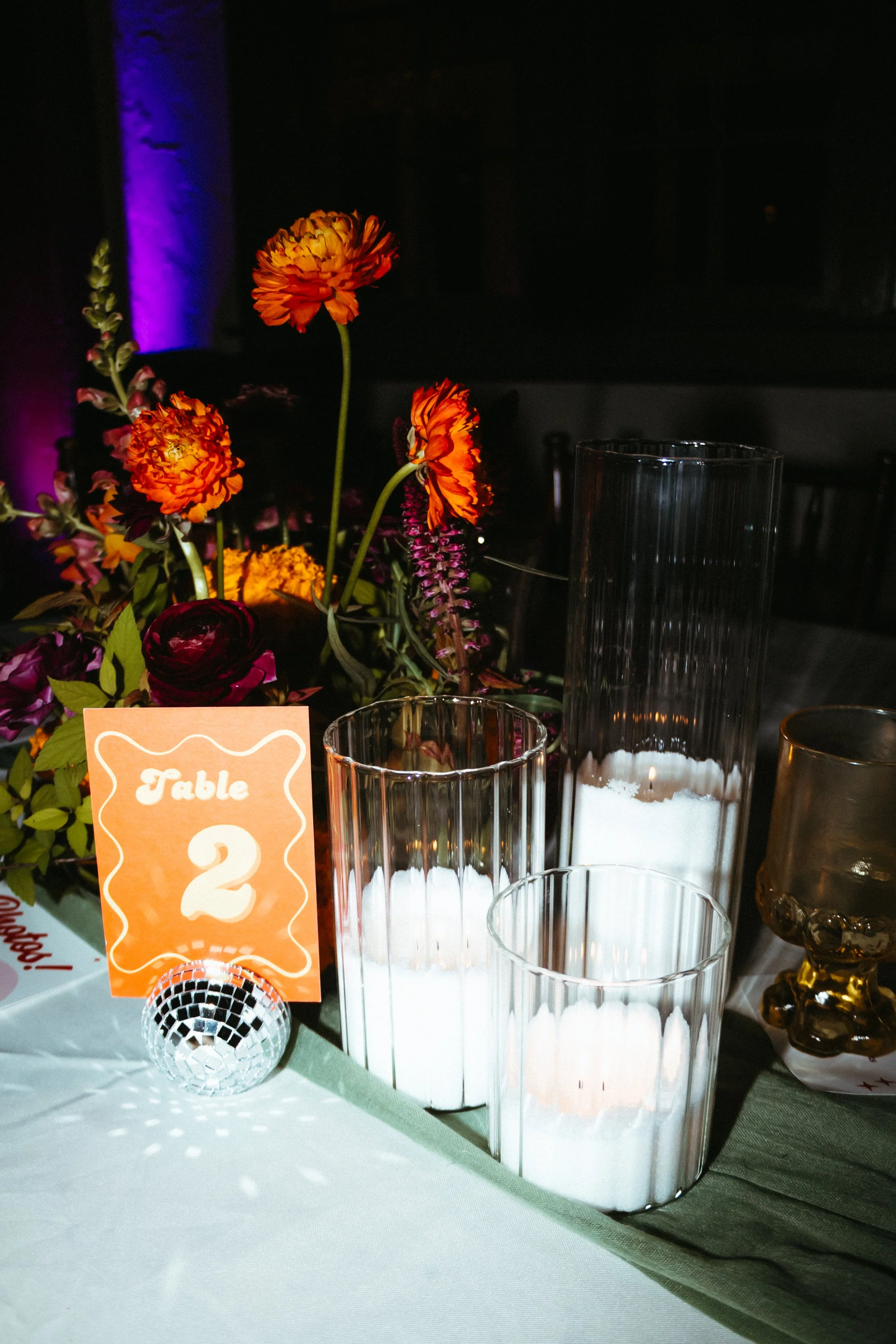
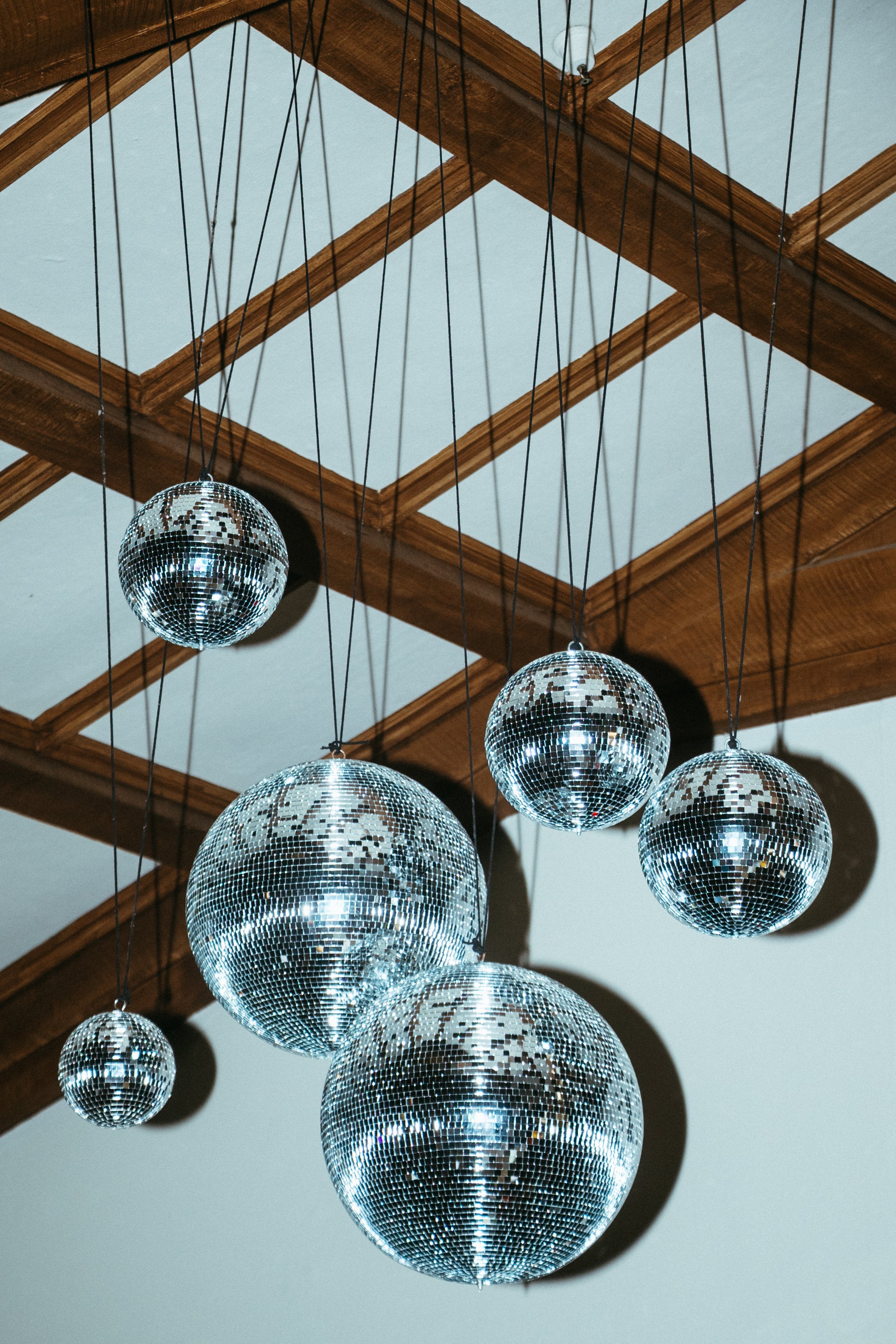
Dark reception spaces
Windowless venues
After-hours moments
Avoiding flash often means:
Muddy tones
Inconsistent color
Lost texture
Compromised storytelling
Flash gives you control—and consistency.
Flash Adds Intention to Details
Details are small. They deserve focus.
Using flash:
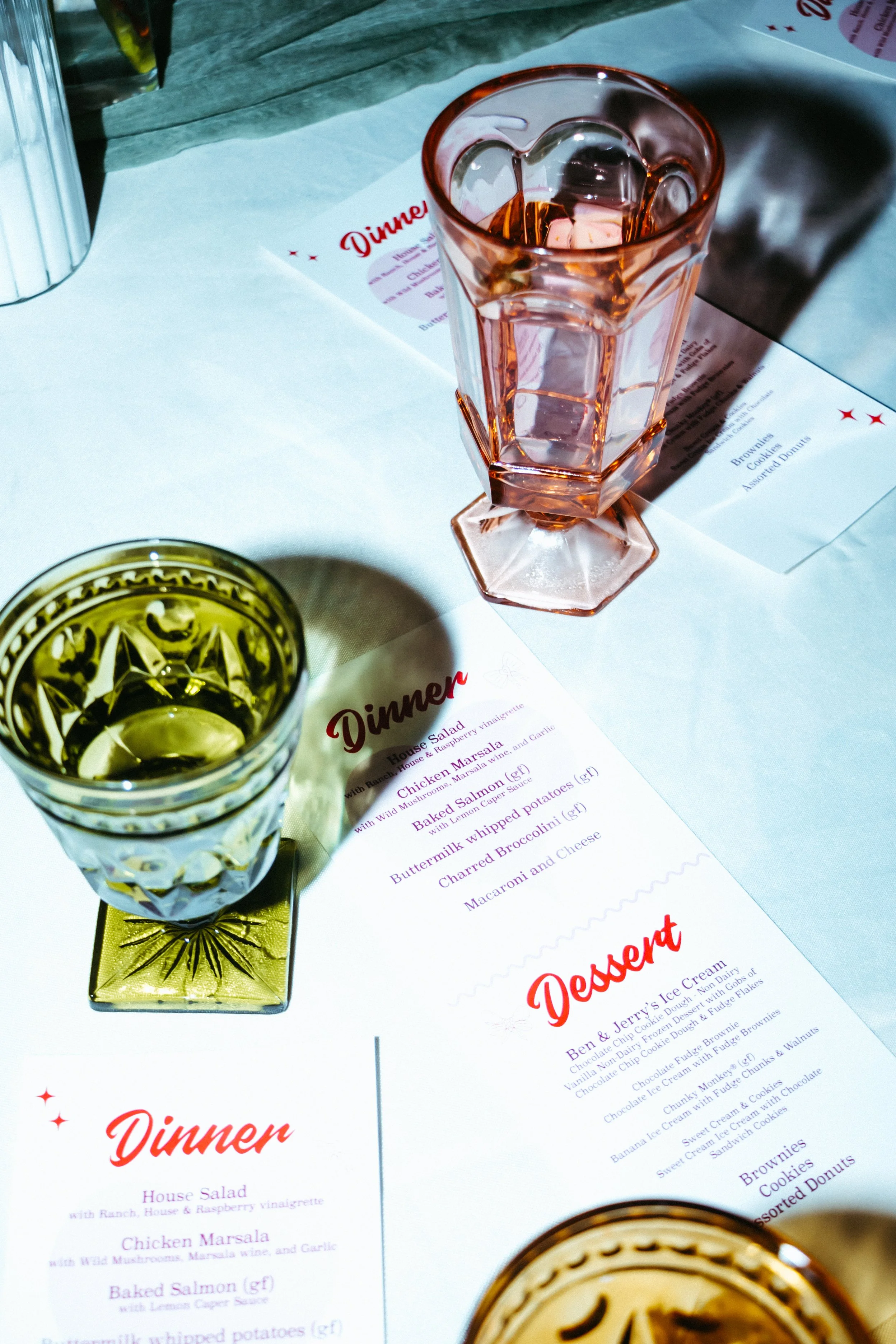
Separates details from cluttered backgrounds
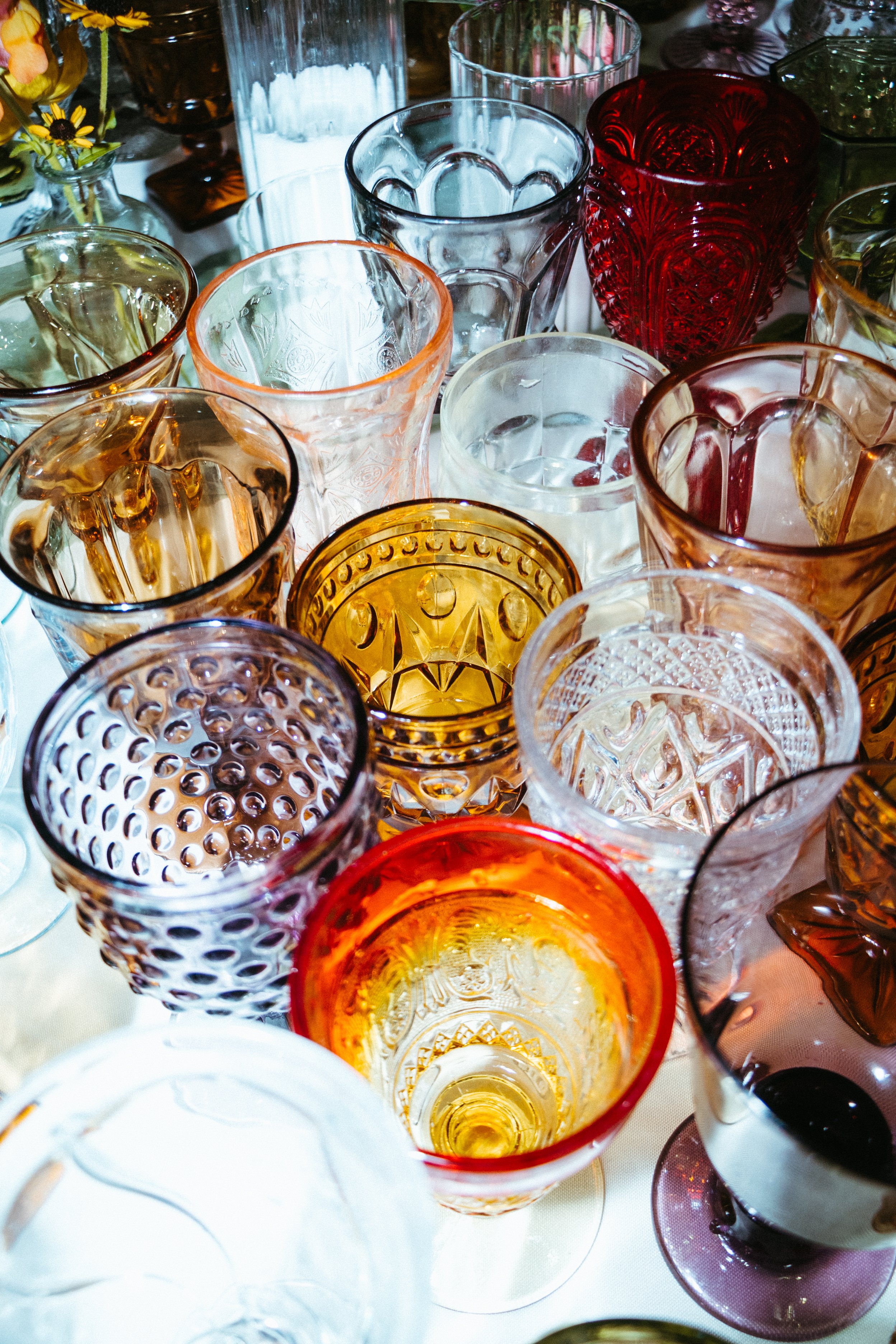
Highlights texture and dimension
Creates clean edges
Draws the eye exactly where you want it
Instead of hoping the light works, you decide how the detail is seen.
It Creates an Editorial Look (Without Over-Styling)
Flash doesn’t automatically mean harsh.
Used intentionally, it creates:
Crisp, modern detail shots
Fashion-forward contrast
Elevated storytelling
A sense of design
That direct, intentional light is what makes images feel editorial—not the props.
Flash Helps Details Feel Lived-In, Not Precious
When details are shot only in perfect light, they feel delicate—untouchable.
Flash allows you to:
Shoot details as they exist
Capture wear, texture, and imperfection
Document items mid-use, not pre-ceremony
Honor real moments, not staged ones
This matters more than ever as weddings shift toward honesty.
Late-Day and Late-Night Details Need Flash
Some of the most meaningful details appear after the ceremony:
Shoes kicked off
Rings placed on a table
Napkins with handwritten notes
Half-finished drinks
Wrinkled vows
Flash lets you document these moments without interrupting the energy of the day.
Flash Brings Consistency Across a Gallery
Wedding days move through wildly different lighting conditions.
Flash helps:
Maintain a cohesive visual story
Balance images taken at different times
Preserve color accuracy
Create rhythm in your gallery
Consistency builds trust with clients—and confidence in your work.
It Pushes Your Creative Growth
Avoiding flash limits you.
Learning to use it well:
Expands your creative toolkit
Makes you adaptable in any environment
Strengthens your technical skill
Encourages experimentation
The photographers shaping the future of the industry aren’t avoiding tools—they’re mastering them.
From a Photographer Who’s Embracing the Shift
Some of my favorite wedding detail images didn’t happen in perfect light.
They happened late. They happened fast. They happened honestly.
Flash didn’t take away the mood—it preserved it.
Shooting wedding details with flash isn’t about abandoning natural light. It’s about choosing intention over limitation. Flash gives you freedom. Control. Confidence. And when used thoughtfully, it doesn’t distract from the story—it sharpens it.
If you want your detail images to feel modern, editorial, and grounded in reality, it might be time to stop saving flash for emergencies—and start using it as a creative ally. Because the details deserve just as much intention as the moments themselves.