Wedding Flat Lays Are Dying — Here’s How to Keep Them Alive
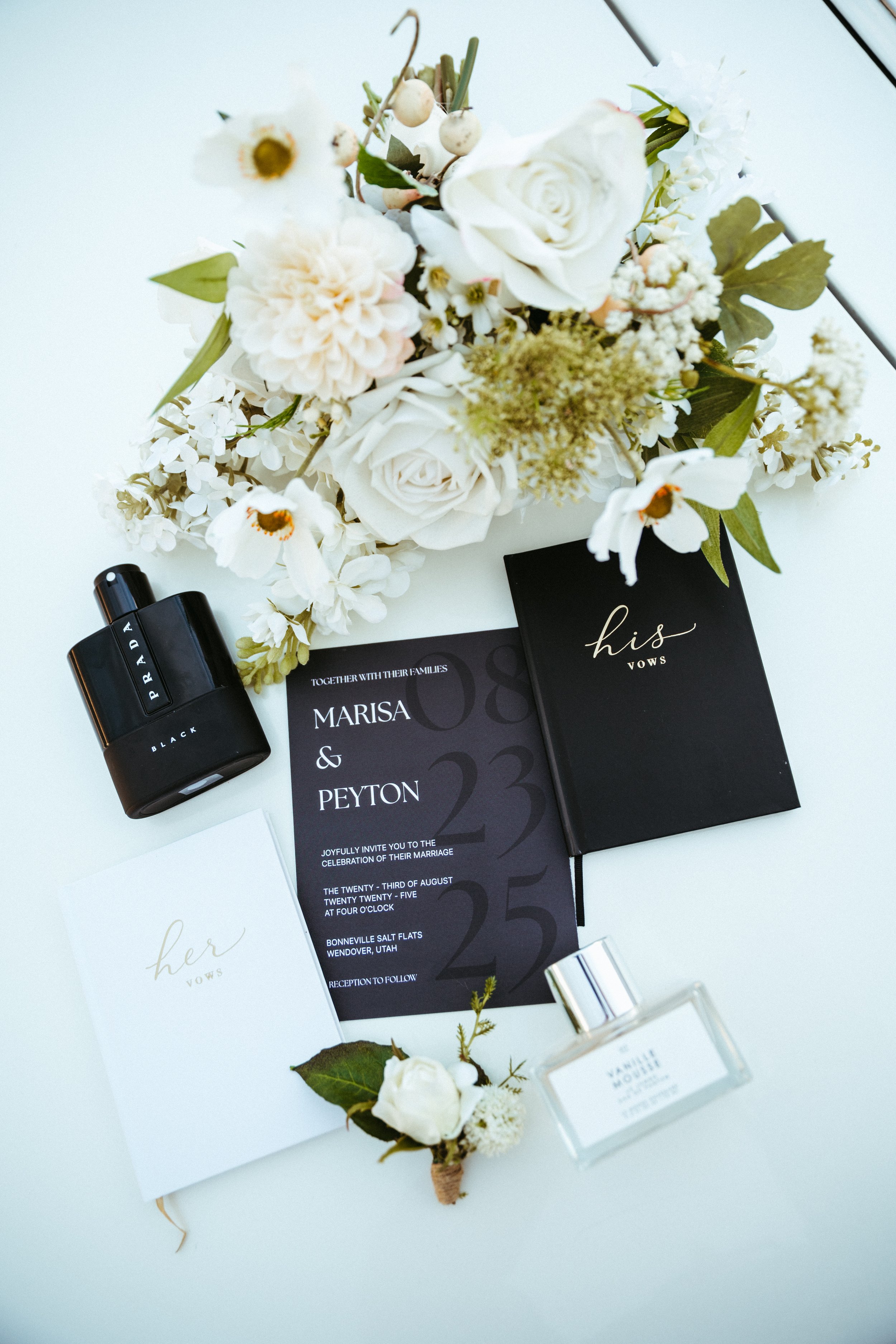
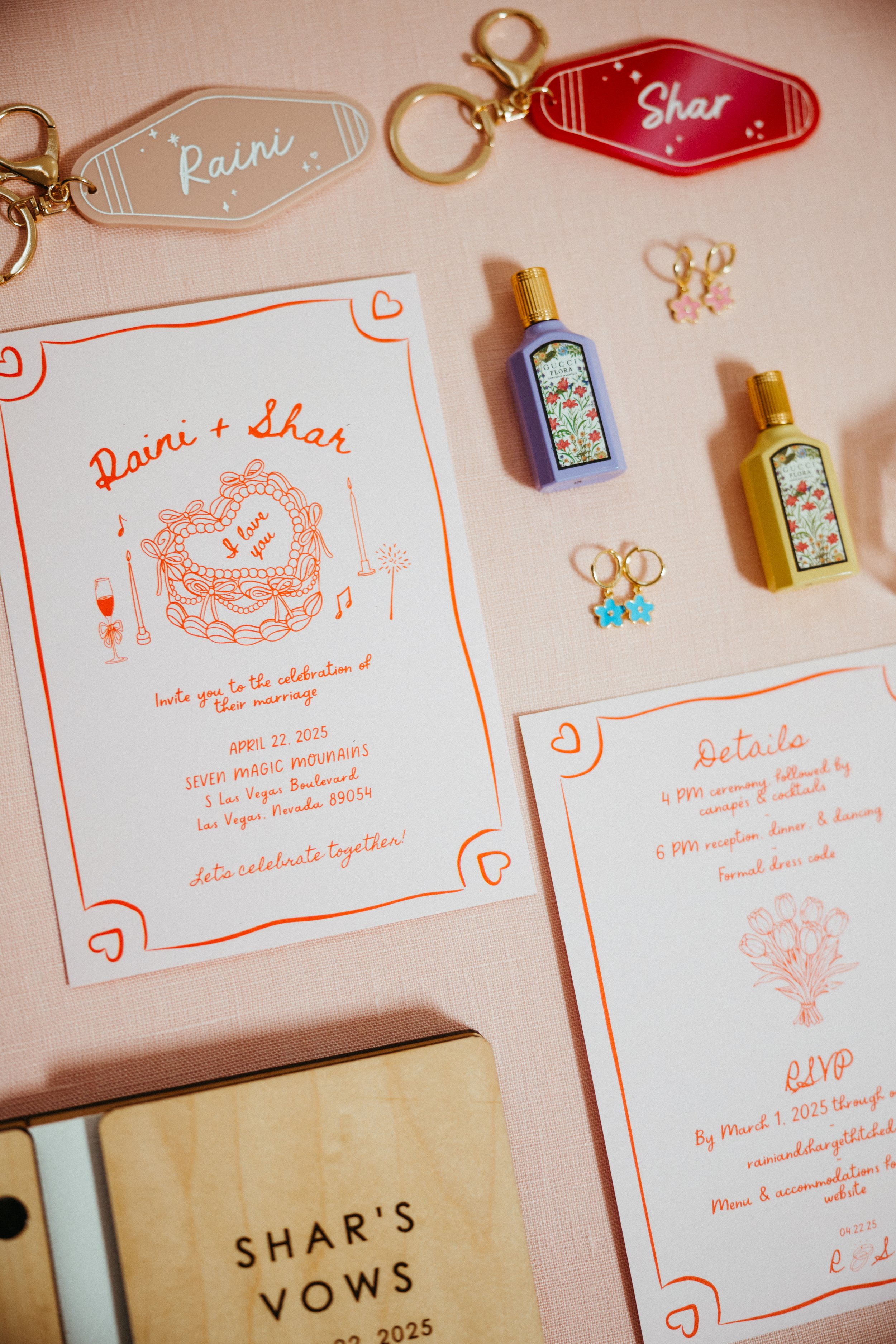
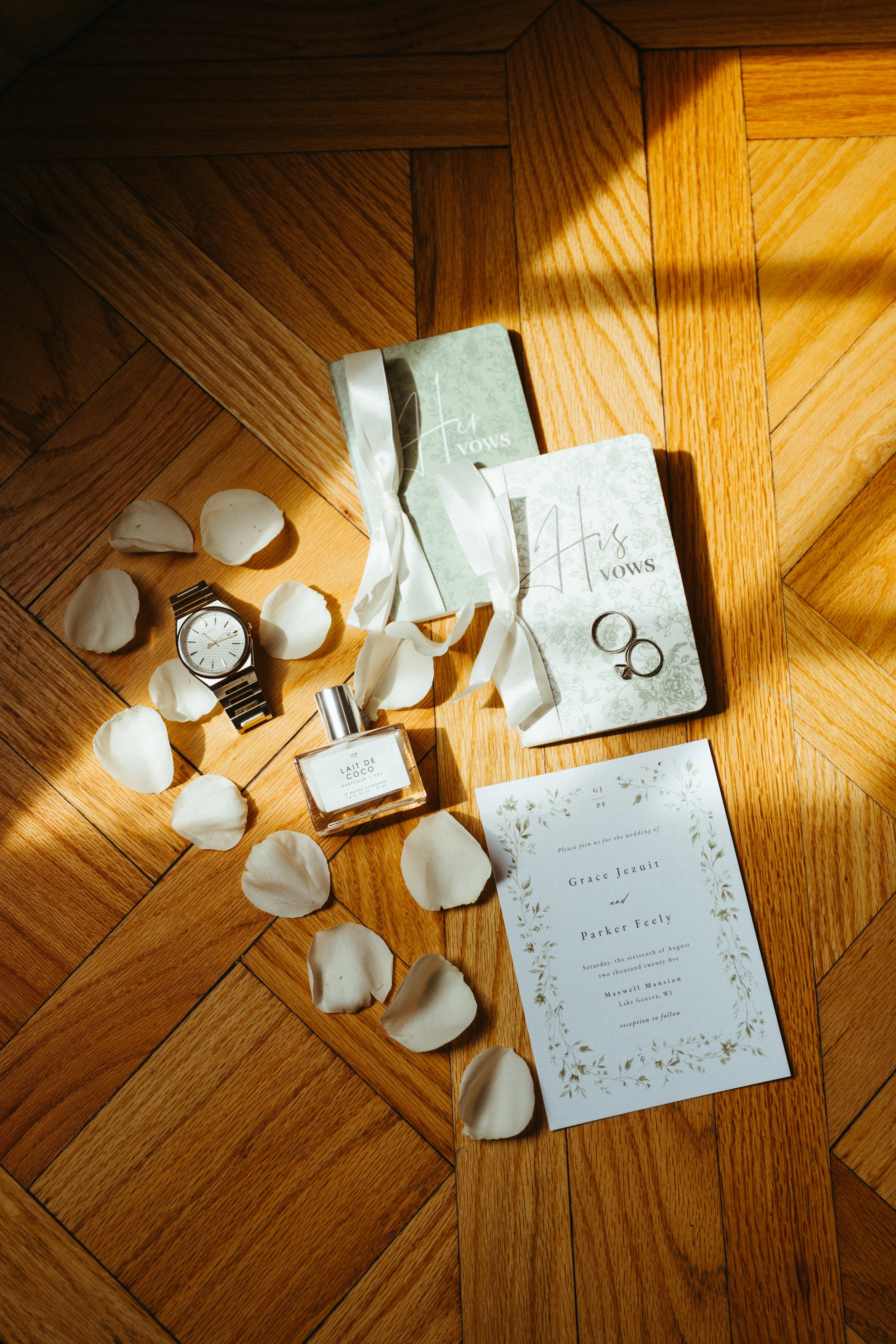
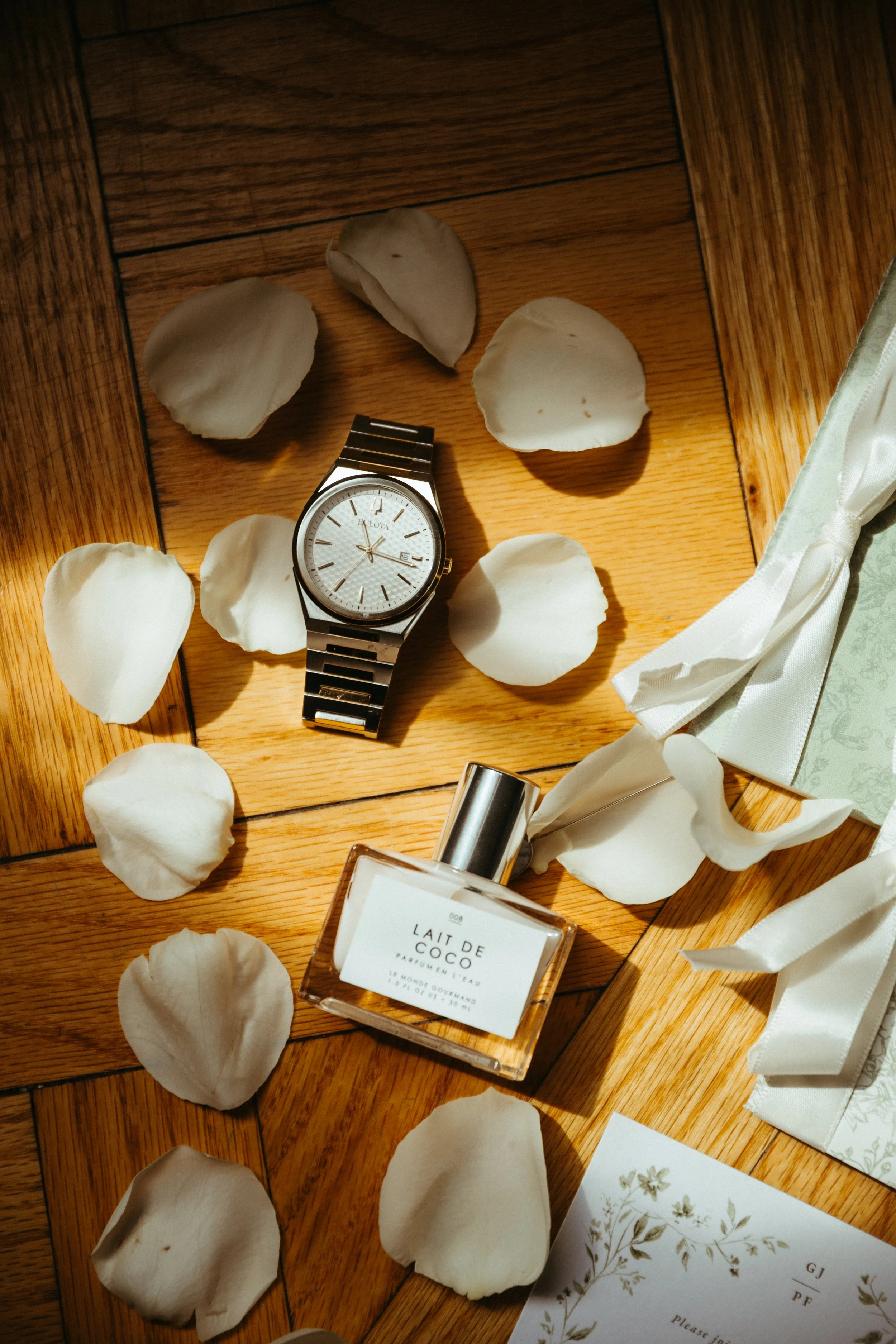
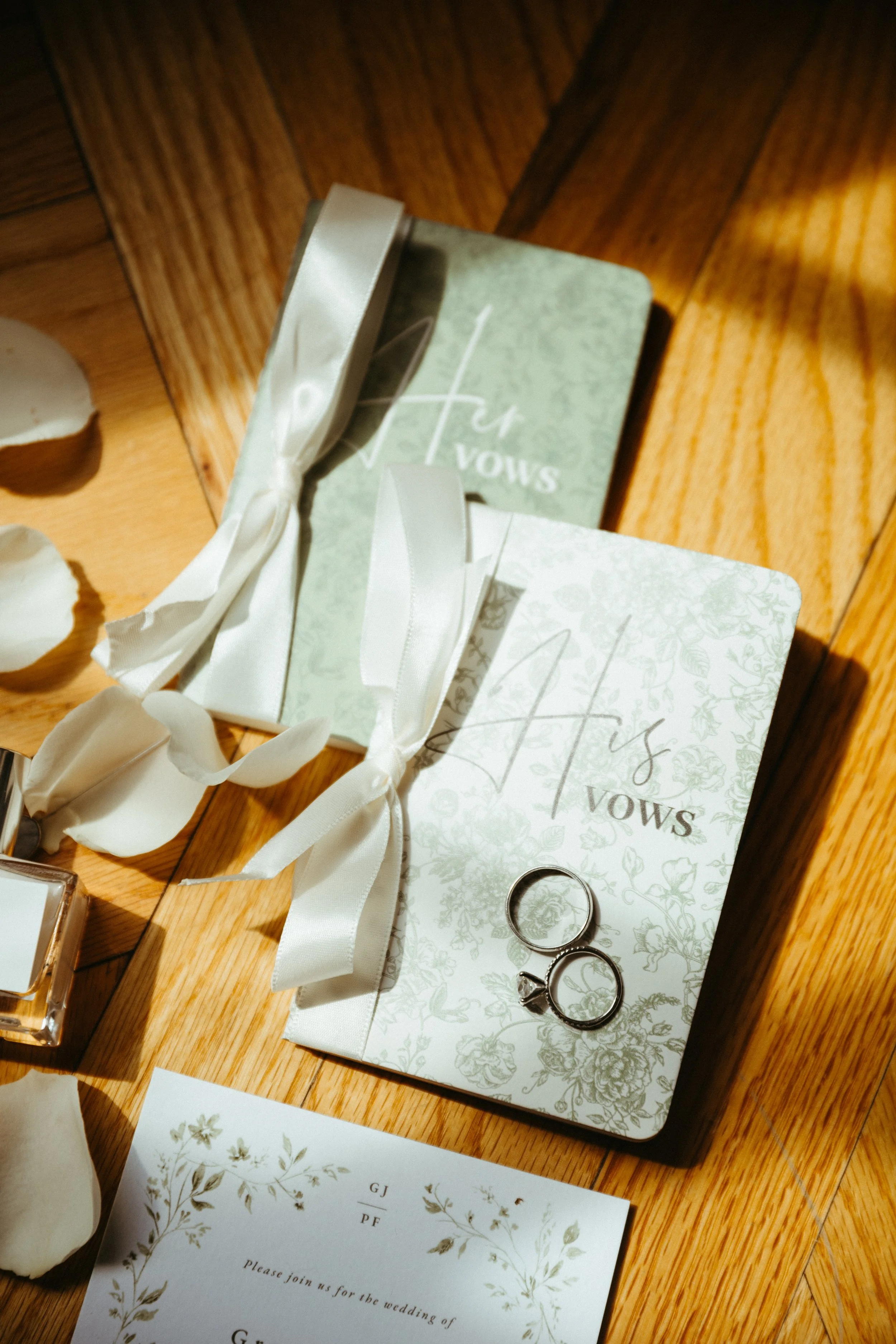
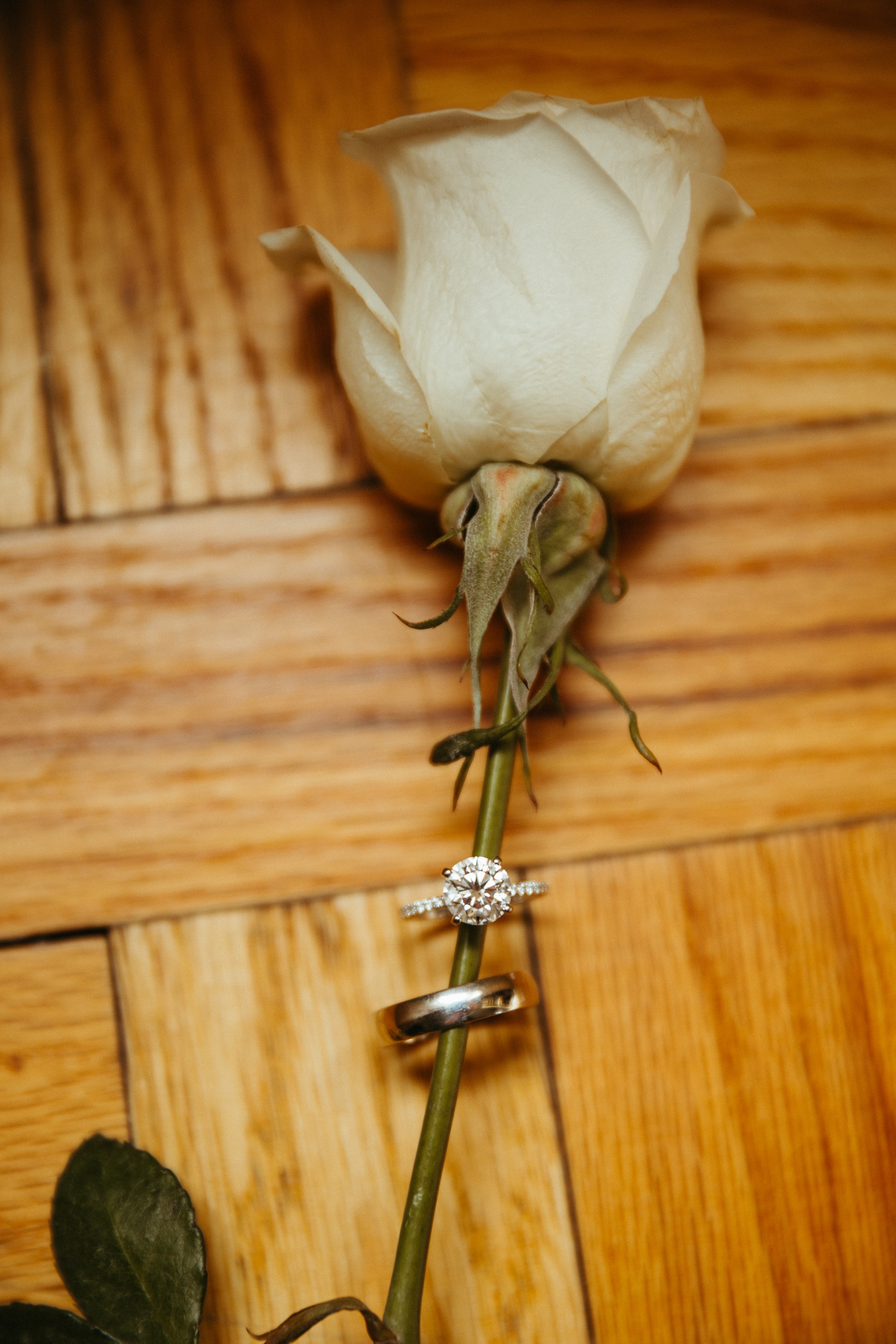
Let’s say the quiet part out loud. Traditional wedding flat lays—the perfectly styled, Pinterest-approved spreads of invitation suites, rings, and random ribbons—aren’t hitting the way they used to. Couples aren’t asking for them. Photographers aren’t prioritizing them. And when they do happen, they often feel… forced.
But flat lays themselves aren’t dead. Unintentional flat lays are.
Here’s why the shift is happening—and how to create flat lays that still feel relevant, emotional, and worth including.
Why Wedding Flat Lays Fell Out of Favor
Flat lays became formulaic. For years, they looked like:
The same invitation suite
The same silk ribbon
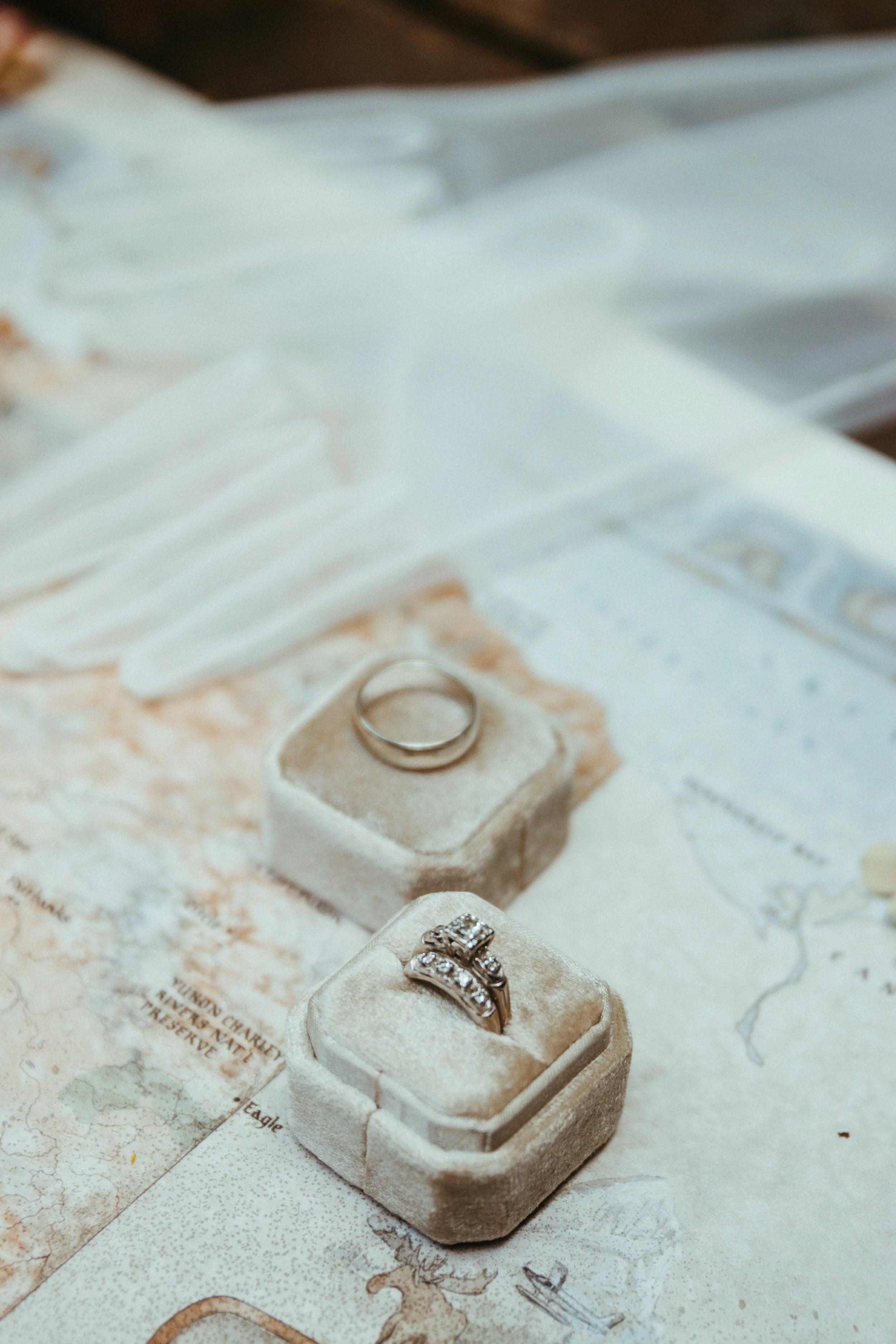
The same ring box
The same borrowed styling mats
They stopped telling stories and started checking boxes. As weddings became more personal and less performative, flat lays that felt staged and generic lost their emotional pull.
Couples Care About Meaning Now — Not Aesthetic for Aesthetic’s Sake
Modern couples want:
Intention
Connection
Story
They don’t want photos of details they don’t recognize or didn’t choose. If a flat lay doesn’t reflect the couple’s values, relationships, or personality, it feels like filler—not memory.
Flat Lays Aren’t Dead — Context-Free Flat Lays Are
The flat lays that still work have one thing in common: They’re grounded in the couple’s story. That means:
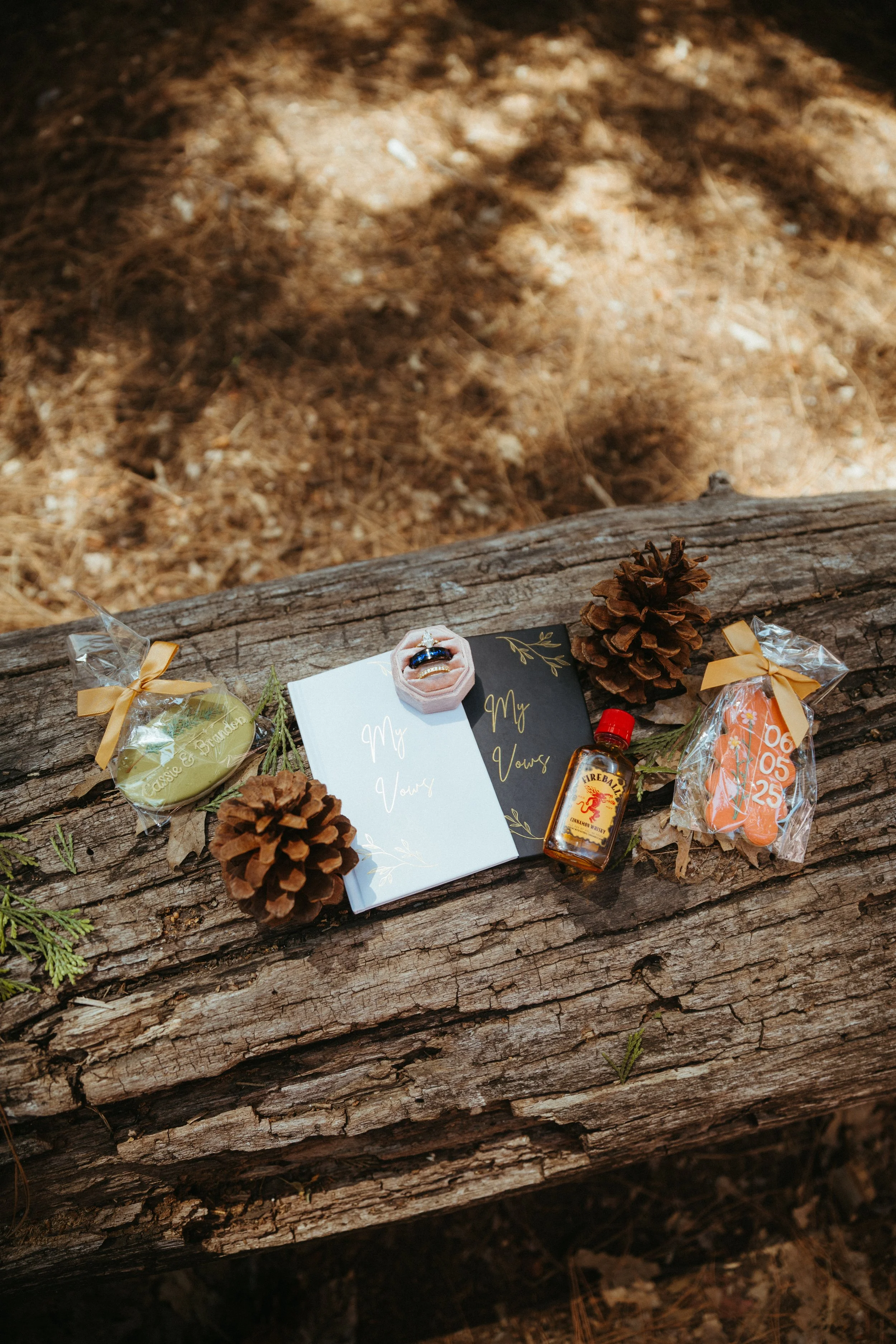
Objects with emotional weight
Items that connect to real moments
Details that exist because of the couple—not trends
How to Keep Wedding Flat Lays Alive (and Actually Meaningful)
1. Start With Sentiment, Not Styling
Before laying anything down, ask:
Why does this item matter?
Who gave it to you?
What moment does it represent?
Think:
A note written the morning of
A family heirloom
A pressed flower from the ceremony
Shoes worn all day—not pristine ones
Meaning always photographs better than perfection.
2. Use the Environment, Not a Styling Kit
Instead of forcing a flat lay onto a random mat:
Use the bed where you got ready
The stone where vows were written
A table from the ceremony space
The landscape itself
When the environment is part of the frame, the image feels grounded and real.
3. Let Imperfection Stay
Wrinkled paper. Scuffed shoes. Soft shadows. Wind-shifted elements. These aren’t flaws—they’re evidence of life.
Perfect flat lays feel static. Lived-in flat lays feel human.
4. Focus on Fewer, Better Details
Not every wedding needs a flat lay—and that’s okay. When they do happen, they should feel intentional. One meaningful flat lay will always matter more than five generic ones.
5. Let Flat Lays Support the Story — Not Interrupt It
Flat lays shouldn’t stop the flow of the day or pull couples out of presence. The best ones happen organically, woven between moments—not staged at the expense of experience.
From a Photographer Who’s Seen the Shift
I can tell when couples don’t care about flat lays—and when they do.
When they matter, it’s because the items hold weight. When they don’t, forcing them feels performative.
The goal isn’t to preserve a trend. It’s to document a truth.
Wedding flat lays aren’t dying because they’re bad. They’re fading because couples want honesty over aesthetics and meaning over repetition.
When flat lays are rooted in story, environment, and emotion, they don’t feel outdated—they feel timeless. And those are the images couples return to years later.
If you’re planning a wedding or elopement and care about documentation that feels intentional—not formulaic—I approach every detail with that same mindset.
Because the story matters more than the spread.
Inquire here. :)